Read More

giovedì 23 aprile 2015

Written by Eleonora Rizzo

During Easter holidays, I had the incredible opportunity to participate to the Positive Economy Forum that took place the 9th and 10th April and was hosted by the community of San Patrignano- a unique social reintegration centre, located in the province of Rimini.

San Patrignano is maybe the most important example of social enterprise here in Italy. It was founded in 1978 to help young people to recover from drug addiction, offering them a home, legal and medical assistance, the opportunity to study or to learn a job, and finally to regain their status as full members of the society. Since then the community has taken care of almost 25.000 young people and it annually hosts 1.300 residents.
I and other Bocconi students from other associations (180 Degrees Consulting, Bocconi Students for Microfinance)  had the chance to touch by hand this amazing reality and, I must admit, it surprised me more than I would ever thought.
The community is set in a beautiful green area, surrounded by gentle hills, vineyards and orchards in which the community members work every day to produce their high-quality wines and biological food products. We were welcomed in the big diner room where all the residents share their meals together: from the very beginning I felt surrounded with peace, joy and respect.

Although the beauty of the place itself can easily misguide, we should not forget the pain and sufferance that lie behind the appearance. The aim of the community is to create a protect environment where the individual can grow, mature, learn good role model of reciprocal support and solidarity, and in the end become free and independent. It is a hard path to follow, the process has not a standard length but it varies following the necessities of every patient. The residents and their families do not have to pay for the assistance received within the centre; anyway, it is their exclusive decision to start the recovery program, no one can force them to stay within the community: it is process of personal growth. The results of scientific studies carried out by the Universities of Bologna, Urbino and Pavia demonstrate that nearly 70% of the community members are fully reintegrated into society and remain drug-free after their experience.

Fundraising is a fundamental step for the life of an association that accepts no money from the government. The goods and services produced by the community self-management system cover nearly half of the day-to-day expenses and funds needed to carry out a service free of charge. The other half in covered by donations of private citizens, companies and foundations.

During our tour we were able to look at the various activities that members can choose to perform during their residence: from the kitchen to the bakery, from the weaving factor to the leather workshop. San Patrignano sells its food products in many important supermarkets such as Billa, Iper, Sigma, Esselunga, etc. ; its graphic design agency works for important clients such as Terranova and Iper. All the manufactured goods are sold at “Sp.accio” (Coriano) and “Spazio Sanpa” (Milano). The community is autonomous for most of its needs: there is a medical centre, a study centre with 14 classrooms and 4 different school courses, a chemical laboratory, electricians and plumbers.
San Patrignano’s philosophy is to achieve the excellence in every field. As one of the patients explained to us during our last lunch in the community: “People should come and buy our products because they want to. They should not be moved by pity or by social awareness. We want to produce the best wine, the most delicious biscuits and the softest scarfs, we want to do our best and be competitive on the market”.
The effort put into work is the key to regain self-esteem, respect for the others and to hold one’s head high once again in society.

martedì 21 aprile 2015

Scritto da Federica Guerra


A Pechino i biglietti della metropolitana si pagano con le bottigliette di plastica. Viene così applicata la pratica del “Reverse vending”, i pagamenti vengono effettuati non solo con carte di credito e banconote ma è possibile ottenere uno sconto sul ticket in cambio del riciclo della plastica. Una campagna intelligente per sensibilizzare i cittadini e fargli capire l’importanza, ma soprattutto il guadagno, che ognuno di noi potrebbe trarre dalla raccolta differenziata.
E in Italia? Anche il nostro paese si sta muovendo; due aziende italiane, Garby e Eurven, hanno infatti creato dei cassonetti intelligenti, meglio definiti compattatori, dove inserendo numerosi diversi rifiuti si riceve in cambio un buono sconto spendibile nei supermercati.

Garby è un’azienda campana che mira a diffondere in tutta Italia una raccolta differenziata più efficiente. I suoi ecocompattatori non sono altro che contenitori per la raccolta differenziata in grado di compattare tappi di plastica, bottiglie in PET e alluminio riducendone il volume fino all’80%.
Lo stesso sistema è stato implementato anche da Eurven, la divisione del Gruppo Euromeccanica che si occupa di ecologia e vendite. La differenza rispetto ai precedenti è che questi cassonetti promuovono una raccolta multimateriale ovvero di rifiuti composti da materiali diversi, dalla plastica all’alluminio fino alle lampadine ed al Tetrapak; il contenitore li separa automaticamente e poi li compatta.
Questi eco compattatori si possono trovare all’interno di scuole e musei, in luoghi pubblici ma anche in aziende private.
Una volta inseriti, i rifiuti vengono compattati e successivamente trasportati alle industrie di trasformazione per il loro utilizzo, con notevole risparmio di tempo e denaro.

Per sapere dove trovare il compattatore più vicino basta visitare il sito www.greenme.it .
La produzione di plastica assorbe l’8% della produzione mondiale di petrolio. Il 96% di questa produzione non viene riciclato e se si pensa che il mondo produce 240 milioni di tonnellate di plastica all’anno, la cifra è certamente considerevole. La metà della quantità di plastica prodotta annualmente viene impiegata nella produzione di articoli monouso o imballaggi. La lenta degradabilità di questo prodotto (una banale bottiglietta di plastica impiega dai 100 ai 1000 anni prima di essere smaltita dall’ambiente), rende cruciale il ruolo svolto dal riciclo, attraverso il quale è possibile non solo ottenere nuovi prodotti, ma anche energia, calore ed elettricità.

Tuttavia l’alternativa più valida rispetto alla smodada produzione di plastica rimane sempre quella di consumarne di meno. Bastano piccoli gesti, evitare per esempio di comprare i sacchetti al supermercato e gli imballaggi o banalmente acquistare meno bottigliette d’acqua. Ormai da tempo sono presenti in università le “case dell’acqua”, distributrici di acqua filtrata attraverso le quale riempire le proprie borracce. Approfittiamone e diamo anche noi il nostro contributo!

Fonti:
http://www.eurven.com/eurven/
http://www.tecnologia-ambiente.it/buoni-spesa-in-cambio-rifiuti
http://www.greenme.it/informarsi/rifiuti-e-riciclaggio/14510-raccolta-incentivante-mappe
http://www.garby.it/chi-siamo.html

lunedì 20 aprile 2015

Written by Gabriele Tringali


Innovation and Sustainability: “Can innovation be the bridge between economic and environmental sustainability?” sarà il prossimo evento organizzato in partecipazione con l'associazione BSI (Bocconi Students for Innovation) e cercherà di rispondere giorno 23 Aprile 2015 alle 18.00 alla domanda: "può l’innovazione fare da ponte tra lo sviluppo economico e la sostenibilità ambientale? " presentando alcuni esempi concreti di innovazioni tecnologiche al servizio di uno sviluppo sostenibile con particolare attenzione al problema della scarsità dell’acqua e della sua contaminazione che possono inficiare negativamente sul settore agricolo colpendo principalmente i paesi in via di sviluppo.

Cosa accomuna l’innovazione e la sostenibilità? Il concetto di innovazione è centrale per le imprese, che ne approvano e ne sostengono l’implementazione,  principale driver di miglioramento e successo economico. Tale si ottiene in quanto l’innovazione è una delle caratteristiche meglio riconoscibile dal consumatore, che catturano la sua attenzione, rispetto alla fattore sostenibilità di un prodotto. In breve, oggi come in passato, i consumatori sono disposti a pagare un premium per l’innovazione e non per la sostenibilità.

L’economista Joseph Schumpeter, nei primi anni del 900, segnalò la fondamentale separazione tra invenzione, che non comporta necessariamente l’introduzione sul mercato di un nuovo prodotto o processo, e innovazione. L’innovazione è l’implementazione di una “cosa nuova” nella forma di prodotto o processo.

Ma allora la sostenibilità? Purtroppo capita spesso che per rispondere ad una market demand sempre maggiore e per aumentare i guadagni o l’appeal offerti da un prodotto, il concetto di sostenibilità sia inserito, in modo poco centrale, all’ordine del giorno di riunioni di molte aziende. In questa realtà troppo legata alla “vendibilità” del prodotto che viene spesso persa di vista la visione innovativa ed etica portata dalla sostenibilità.

La conferenza cercherà di trovare una possibile conciliazione fra innovazione e sostenibilità grazie all’apporto dei seguenti relatori:

Adriano Marin, Presidente WOW Technology Spa.
Nicoletta Ravasio, Researcher al CNR
Gloria Zavatta, EXPO, Sustainability Manager.

Moderatore: Stefano Pogutz, Chair of the CEMS-MIM Faculty Group, "Business and the Environment", Department of Management and Technology Università Bocconi.

L’appuntamento è per le ore 18 di Giovedì 23 Aprile Aula N20. Non mancate!

sabato 18 aprile 2015

Written by Jona Shehu

When arguing about waste management, is it all about individual recycling and reuse? Surely not. Indeed, facing the waste issue at the state or local level, through legislations, may have a strong impact on it.
In particular, we take the Toxics Use Reduction Institute (TURI) of Massachusetts (United States) as good example to show how the work of such an agency, leads to positive effects and improvements for the environment protection.

As the Energy and Environmental Affairs website reported, since 1990, the successful TURA (A for Act) program has helped Massachusetts businesses to reduce toxics use by 40% and waste byproducts associated with that use by 71%. These reductions have lowered chemical transportation risk, workplace hazards, and the amount of toxics in manufactured products, and have helped Massachusetts businesses to remain competitive in a global economy.

Given the massive impact, what does this agency do in order to have these results/reach these results?
TURI is an agency of the Commonwealth of Massachusetts, established in 1989, when the related Act was approved by the legislature. Its main function consists of providing programs aiming at helping companies and communities to reduce toxics production, through capacity building for technology, general support activities, grants and many more. The programs offered include activities of support to businesses, research in innovative technology, training for employees to become Toxics Use Reduction Planners, and for those companies using toxic cleaning chemicals in their ongoing running the Institute’s Laboratory provides free surface cleaning research and consulting.

The Massachusetts TURI believes the Commonwealth can be a safer and more sustainable place to live and work, therefore it works in order to reach this goal. I do believe the same about the world, what about you? Do you believe taking action can positively change the world and make it better?

giovedì 16 aprile 2015

Written by Costanza Gabbrielli

Here are some clarifying definitions of words you can bump into when reading or listening to something regarding the practice of recycling.
Let's start with the best practice.

PRECYCLING:What is precycling? "Pre" means "before" so "precycling" means we can "prevent recycling" by taking a little action before.
Here are some simple examples:
1. If you bring your own bags to the store with you, you not only prevent having to recycle additional bags, you recycle an existing one.
2. If you buy less disposable items or none at all (cloth napkins, towels, and diapers instead of paper ones) you prevent more things from ending up in a landfill, and you don't use any packaging.
So precycling is like preventing, it's the green thing to do!

UPCYCLE: What is upcycling? It is the process by which waste materials are used to provide new, high quality products. Basically, upcycling is recycling and refashioning something at the same time, all while making it new again. It's a great way to reuse.
The goal of upcycling is to prevent wasting potentially useful materials by making use of existing ones - like, for example, creating leather bracelets from an old belt.

DOWNCYCLE: what is downcycling? It is the recycling of a material into a downgraded or lesser quality material, such as recycled plastic or paper. It is then cheaper or weaker than the original product.
Downcycling is more like recycling and reclaiming materials that are headed to the heap.
Although downcycling helps the planet because it keeps things out of the landfills (for a time at least) many times it will eventually end up there. And the original item may have been harmful to the environment when it was created (such as plastic). So, think first - always use less or precycle!


Author of the picture: Urbanmkr

martedì 14 aprile 2015

Written by Fei Fei

In his original vision, Sir Tim Berners Lee conceived the Web as "a collaborative medium, a place where we [could] all meet and read and write". In the last 30 years this concept has been evolving towards an increasing interaction between on-line players; the spread of social networks, virtual communities has emphasised the aspect of user-generated content and its sharing. It is incredible how an idea of an individual can be turned in valuable assets through the right channels.  Due to the potential of the web 2.0, which has been connecting people, companies and ideas, we can be part of a social co-creation of products. It means that you create the product as you wish because you are the costumer and you know what you need.
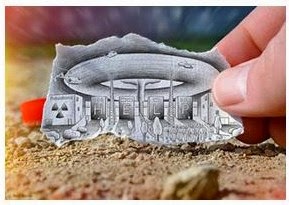
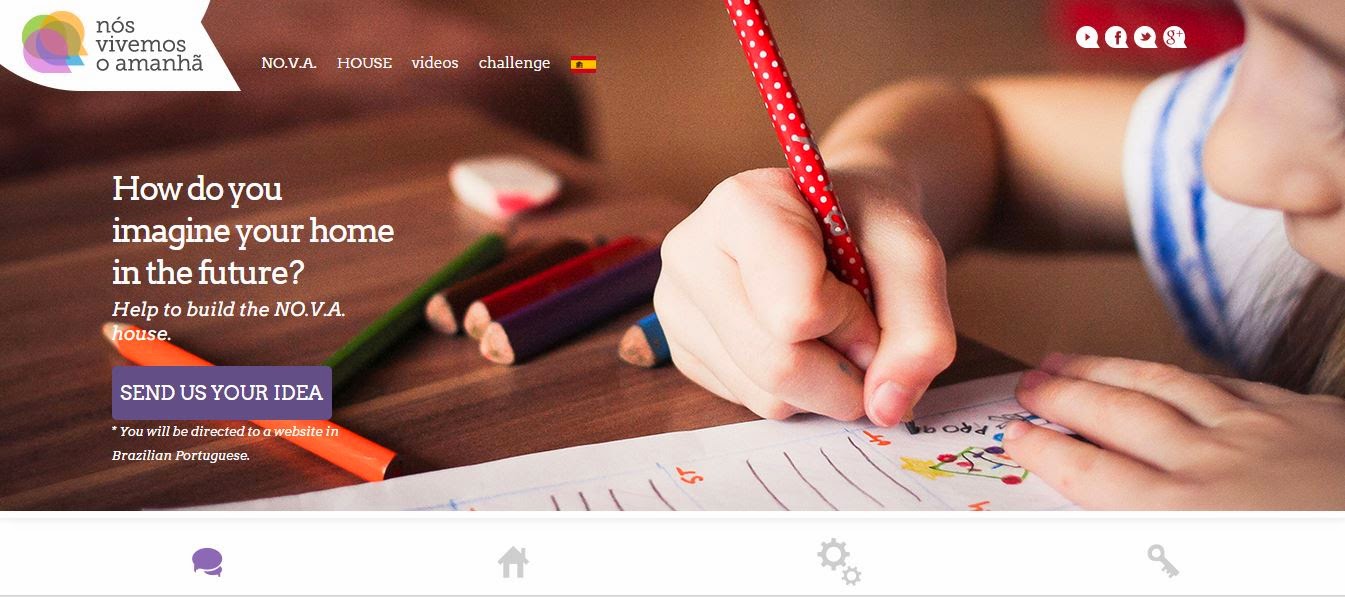
A notable example of this kind is the No.v.a. (nós vivemos o amanhã) project conducted by Ampla (an energy distribution company in Brazil of Enel group). Their object is to create an innovative prototype of smart house in Niterói (Brazil, see picture) and in order to do this they are collecting ideas from people who can submit their suggestions in their platform.  No.v.a. “is a movement whose main goal is to bring people of all ages together and find innovative solutions to improve our lives. Based on our current problems, expectations and needs, we want to find alternatives for a better future. “

Since the last November more than 1000 people has been contributing to this crowdsourcing and bring 1500 ideas to change the idea of housing by working together. The challenge is to build a more energy efficient and sustainable house.

“Our current homes have a number of problems. They are not smart, they have too many devices and use too much power. Wouldn't it be better if we could change this? Wouldn't it be better if we could bring a wide range of ideas together and produce solutions capable of changing this situation, based on the difficulties we currently face?”.
The house will be designed according users’s ideas and the best of them will be rewarded. If interested you can participate till this June.

The author of the first picture is Os Rupias

lunedì 13 aprile 2015

Written by Bianca Thiglia


When Charles Moore, racing boat skipper, found his ship surrounded by plastic while crossing the Pacific Ocean, he discovered the existence of the Great Pacific Garbage Patch.
It is a gyre made of marine debris, litter –mainly plastic- dumped into the waters and collected by the tides. Estimations regarding its size vary depending on the level of density considered but all convey the gigantic entity of the phenomenon: from the size of Texas to twice the size of the United States.
Animals can mistake garbage for food, dying of ruptured organs, or remain entangled in trash, made of abandoned nets for a consistent part. Plastic prevents the development of organisms such as plankton and algae, fundamental requirements for life, thus disrupting the entire ecosystem. As smaller animals that feed on them decrease, their predators will be affected, from tunas to whales. But the scarce availability and rising price of seafood are not our only concern: once toxic chemicals are released by plastics into the water and enter the food chain, we all become affected by those pollutant agents.

Proposed solutions to the problem imply ridiculous costs and carbon footprints not worth the effort. Moreover, being the Patch in international waters, no state is willing to take on the financial burden. Lastly, the Great Pacific is only one of the existing plastic gyres.
After a high school project, the Dutch student Boyan Slat (1994) became so involved with the problem that decided to develop his own clean-up solution. In 2012 he presented his idea, a passive process that would not go after plastic but catalyse it instead: The Ocean Cleanup . This model would not only save a huge part of the costs, becoming economically feasible, but also be eco-friendly, harmless to animals and source of potential profits. In 10 years, half of the Great Pacific Garbage patch could be gone.
Too good to be true, the fantasy of a 16-years-old, impossible to fund…?
Well, a feasibility study were published in 2014 –purchasable in its made-of-recycled-plastic version or downloadable online- and prototypes are at work, tons of garbage have already been collected. In 2014 The Ocean Cleanup achieved the most successful non-profit crowd funding in history.
At the moment, a team of 100 people, including volunteers, is working on research and engineering, together with funding and raising awareness. The recruiting session is still open.

In 2014, Boyan Slat received by the United Nations the UNEP Champion of the Earth Award. His Ocean Cleanup cooperates with The Vortex Project. The latter is a campaign whose aim is creating fashion out of plastic debris and partners include the Grammy awarded musician Pharrell Williams, Capitain Paul Watson (founder of the environmental NGO Sea Shepherd) and Sylvia Earle or “Her Deepness”, marine biologist and a UNEP Champion of the Earth Award herself. The group is also working at the documentary “The Plastic Era”, explaining how plastic wastes can be seen as a resource instead of a cost to avoid.

This demonstrate how collected plastic could not only be sold to recycling companies but also to a variety of other businesses, making the whole clean-up operation profitable. In addition, the product is suitable to be turned into oil.
Further analysing the system design explains how Boyan’s idea is cost efficient and economically feasible. It is based on creating a device that doesn’t have to move and seal the oceans but rather lets the oceans move through it and exploits the tides and the winds.
No emissions, no nets involved but solid barriers, so that sea life wouldn’t be entangled. On the other hand, the level of efficiency reaches the 80% of collection of plastic encountered.

Up to 20% of the plastic found in the oceans originates by debris directly thrown into the sea such as by cargo ships of offshore oilrigs. Abandoned nets from industrial fishing, a common practice to get rid of unneeded equipment, play a major role. Some of such nets cover miles-wide areas and are able to cloak the entire Maldives.
Obviously, the remaining 80% comes from land-based activities. Every cigarette butt thrown on the road could end up in the gyre.

The Ocean Cleanup offer a dream-like solution to a problem we all are involved in and the complete version will be ready in 2 to 3 years. However, support is still needed and there will always be gyres to clean if our consuming system will stay unchanged.

Photo gallery of The Ocean Cleanup project:
(all the photos credentials go to theOceanCleanup.com)
1) Boyan Slat


2) The latest version of the project, where the white spots are all the plastic debris it's able to attract and collect into the tower.


Finally, a very effective video presentation of the different evolution phases of the project and on how it works.


Note: the autor of the first picture at the top of the article is Ceasar Harada

sabato 11 aprile 2015

Scritto da Arianna Gigliuto

Letteralmente “la città sorgente”, Masdar city è la prima città interamente ecosostenibile nata dal progetto della società Masdar, colosso delle energie rinnovabili. Come già ricordato da Carlotta in un articolo precedente dal titolo " Thriving without oil: the Arab Emirates ", questa piccola oasi che sorge nel cuore del deserto degli Emirati Arabi Uniti è stata pensata come una vera e propria sorgente di energia prodotta da fonti alternative, le quali permetteranno alla città, oltre che di alimentarsi autonomamente grazie all’energia termica, solare ed eolica, di rendere quasi zero la produzione di rifiuti, grazie ad un’opera di riciclaggio del 98%.

Ma Masdar city vuole essere soprattutto un laboratorio umano, dove immaginare i cittadini del futuro. Non basta avere smart cities, servono anche smart citizens!

Essendo tutta da progettare, sono stati utilizzati fin dall’inizio accorgimenti utili a minimizzare i consumi e a sfruttare tutte le fonti di energia: vento, sole, acqua.
Se si pensa che ad Abu Dhabi in estate la maggior parte dell'energia viene utilizzata per l'aria condizionata, di certo l'approccio di Masdar City è differente! L’acqua piovana sarà convogliata tramite collettori, ci saranno impianti di desalinizzazione e sistemi di irrigazione con il riutilizzo delle acque grigie (le acque domestiche che sono libere da materiale fecale e da acque di scarico della cucina).
Per produrre energia pulita, la città si avvarrà anche del vento, con una centrale eolica che ha superato i problemi generati dagli impianti eolici legati all’impatto ambientale e acustico delle turbine. L’impianto, infatti, è stato ideato come una vera e propria attrazione turistica: si tratta di 1.203 pali in fibra di carbonio, alti circa 55 metri, fissati al suolo con basi di cemento che si assottigliano gradualmente verso la parte superiore.
Di nuovo, c ome già veniva raccontato da Carlotta, i trasporti sono un altro elemento essenziale per una città che vuole mettere al centro le esigenze dei pedoni. Ai fini della riduzione delle emissioni il trasporto sarà completamente green e ideato da un’azienda italiana. Si tratta di taxi elettrici che si muoveranno su magneti posizionati nell’asfalto a intervalli regolari, privi di conducente: basterà digitare la destinazione su uno schermo per arrivare alla fermata desiderata. Sull’asfalto i taxi, e su una corsia sopraelevata i podcards, “ovetti” senza guidatore.

Un progetto di tale portata non poteva che nascere in un luogo come gli Emirati Arabi, la terra dei “petrodollari”, dove un investimento economico come questo può diventare realtà (si sta parlando di 22 miliardi di dollari investiti). Che gli arabi abbiano capito che il petrolio non durerà in eterno? La loro parrebbe proprio una mossa di sperimentazione per potersi tutelare in futuro.

Ma forse Masdar è molto più che un ripiego futuro: Masdar è il futuro, una città che dovrà servire da esempio a tutto il mondo, un’ancora di salvezza a cui aggrapparsi forte. Pronti a traslocare?

Galleria fotografica:


Quella che segue è una torre di refrigerazione che serve raccogliere la brezza in modo da abbassare la temperatura delle strade di 10 gradi


Tratta da internet (come quella iniziale):

martedì 7 aprile 2015

This movie is a Yann Arthus–Bertrand's project and it shows problem and challenges we are facing today and we will face in the following years.
As the movie website states, "through visually stunning footage from over fifty countries, all shot from an aerial perspective, Yann Arthus–Bertrand shows us a view most of us have never seen. He shares with us his sense of awe about our planet and his concern for its health. With this film, Arthus-Bertrand hopes to provide a stepping-stone to further the call to action to take care of our HOME".
But the best creation of Bertrand is probably the GoodPlanet Foundation . Don't miss to do a tour there and discover hundreds of things they are doing to tackle climate change.

lunedì 6 aprile 2015

Scritto da Emanuela Piccoli

«La terra è dove sono le nostre radici. I bambini devono imparare a sentire e vivere in armonia con la Terra» (Maria Montessori)

La terra, come sostiene la Montessori, è un elemento essenziale della nostra vita, che dovremmo imparare a conoscere e a rispettare in quanto contribuisce fortemente all’esistenza della vita sul nostro pianeta.
In primo luogo fornisce nutrienti, acqua e minerali alle piante e agli alberi, contiene carbonio e accoglie miliardi di insetti, piccoli animali, batteri e molti altri microrganismi.
Purtroppo l’ammontare di suolo fertile sul pianeta ha visto un forte calo e ha reso più difficoltoso per i contadini la coltivazione e la produzione del cibo richiesto dalla popolazione, che si prevede attestarsi intorno ai 9 miliardi nel 2050.

La terra rappresenta uno dei 14 temi discussi dalla FAO nella sede delle Nazioni Unite a New York per negoziare un’agenda di sviluppo tra i governi. Il 2015, in particolare, è stato dichiarato the “International Year of Soils” dalle Nazioni Unite.
La FAO ha avanzato molte ragioni per le quali curare e preservare il terreno:
  • Permette lo sviluppo di un agricoltura sostenibile, oltre che le più essenziali funzioni dell’ecosistema e la sicurezza del cibo.
  • E’ una risorsa finita come il petrolio: seppur non sia recuperabile è, al contempo, la risorsa naturale più trascurata.
  • Il degrado del suolo è da considerare una seria e crescente minaccia causata da utilizzi non sostenibili del terreno e pratiche governative sbagliate.
  • L’attuale stato di degrado del terreno minaccia la possibilità per le future generazioni di soddisfare i bisogni basilari.
  • Suoli a rischio compromettono l’agricoltura sostenibile, la sicurezza del cibo e la fornitura di servizi per l’ecosistema.


Composto di minerali, acqua, aria e materia organica, il suolo è necessario come fonte primaria di alimentazione, carburante, fibre e medicine.
Tale risorsa è difficile da recuperare una volta distrutta (sono necessari da cento a mille anni perché un centimetro di suolo si riesca a formare da una roccia); un sovra utilizzo di fertilizzanti e pesticidi, irrigazione eccessiva con acqua di bassa qualità e altre pratiche arrivano a sottrarre i nutrienti alla terra, rendendola poco fertile. Ciò comporta che 50 000 chilometri quadrati di suolo vengano persi ogni anno (fonte: Global Soil Partnership).
Molti sono i processi coinvolti: erosione eolica, compattazione, squilibrio dei nutrienti, perdita di materia organica, acidificazione, salinizzazione e inquinamento.
Sono essenziali, quindi, una gestione sostenibile dei suoli agricoli nel mondo e l’intensificazione di una produzione anch’essa sostenibile.

Un processo silenzioso, ma che potrebbe portare grosse conseguenze per l’umanità se i governi non intervenissero tempestivamente. Un terzo della terra nel pianeta ha osservato già un modesto degrado e si necessita un impegno e un attenzione costanti per tenere in salute i nostri terreni, per assicurare la sicurezza del cibo e nutrimento per tutti.
Per poter perseguire questo proposito, la FAO propone le seguenti misure:
  • Una maggiore educazione su come produrre di più con meno risorse
  • Investimenti da parte dei Governi per la cura e la conservazione del suolo
  • Contrastare il cambiamento climatico
  • Regolamenti e un controllo da parte dei Governi per limitare l’accumulazione di sostanze inquinanti
  • Sviluppare le capacità e programmi educativi sulla gestione dello sviluppo sostenibile della terra
  • Promuovere e accrescere l’area interessata da pratiche di coltivazione del terreno sostenibili.

giovedì 2 aprile 2015

Written by Eleonora Rizzo

Now that you follow a vegetarian diet, that you gave up with animal derivatives or animal products and that you got rid of your aunt’s ermine fur, what is the next step? If you consider yourself as a tree-hugger, you should keep up-to-date with the latest news on sustainable fashion.
Since food is the primary issue, it is quite natural to wonder “What am I really eating?”, but when it comes to clothes how many people do actually question themselves about the origin and the environmental impact of their clothes?
Smaller companies are coming up with innovative materials and revolutionary ways to incorporate the sustainability issue into the design of clothes. However, big companies, the ones who own the greatest share of the market, are slower to innovate. Traditionally, managers address sustainability to the corporate social responsibility issue, rather than placing it at the heart of the production process and design. There are still many areas of the fashion and textiles supply chain that can be taken as a springboard for innovation and social impact.
The fourth Future Fabrics Expo took place within Fashion SVP at London Olympia, in September 2014. The project, carried on by the non for profit organization ”The Sustainable Angle” , focuses on how fashion’s environmental impact can be lowered through textile innovation, and novel ideas to transform the fashion system and design practice. You can find a wide range of sustainable textiles online on Future Fabrics Virtual Expo : from sustainable woven and denim, to low impact leather, to end up with innovative materials.
The last frontier of green fashion is represented by compostable material. The Swiss company Freitag has recently developed F-ABRIC , a synthetic material which “will biodegrade completely after a couple of months if you throw it in the compost”. The idea behind F-ABRIC was to provide sustainable workwear for the company’s workforce. In fact, since the fabrics on offer were disappointing, Freitag’s owners developed their own. F-ABRIC is a combination of linen, hemp and Modal. It shares many properties of cotton, and at the same time it is much more sustainable than this one. As explained on Freitag’s website, there are five good reasons to give up with cotton:
1. Cotton comes from India, Pakistan, China and the United States. It requires a hot weather which is difficult to find in Europe
2. The huge amounts of water used on cotton fields has increased soil salination and lowered the groundwater level in many places.
3. Cotton needs much more space to develop than other fibers.
4. Cotton is a delicate plant which in many places is rigorously treated with pesticides and mineral fertilizers. These substances are major contributors to the worsening of the world’s carbon footprint and are harmful to the health of cotton farmers and their families
5. An estimated 100 million cotton farmers around the world live below the poverty level and often work in inhumane and unhealthy conditions
Most people would be worried that by washing a pair of F-ABRIC’s trousers, they will dissolve into the washing machine. Actually, biodegradability requires specific conditions, so it will not disappear while wearing it! All production takes place in Europe, specifically in the area near Freitag’s headquarters in Zurich. What also sets F-abric apart is the low level of chemicals used in its cultivation and processing, which allows the Freitag F-abric to get certification to the Oeko-Tex® standard.
The more consumers will be concerned about the origin and the environmental impact of their clothes, the more the fashion industry will provide us with a wide range of high quality and sustainable choices.


Photograph: Oliver Nanzig/Freitag

Post più recenti Post più vecchi Home page