lunedì 30 maggio 2016

Scritto da Laura Subinaghi


L’arte ecosostenibile: cos’è?


È un tipo di arte è che implica l’uso di materiali a basso impatto ambientale e  ha una varietà infinita di espressioni: arte figurativa, scultura, moda, architettura e persino street art, botanica e teatro. Anche l’interpretazione che ogni artista dà all’arte ecosostenibile è differente: c’è chi pensa che sia un modo per esprimere il degrado della società moderna, chi crede che sia un modo per avvicinarsi alla natura, chi è convinto che sia un modo per rendere gli altri consapevoli dei problemi ambientali e chi è sicuro che l’arte possa essere lo strumento per risolvere questi problemi.


Per quanto riguarda l’arte figurativa e la scultura, si può iniziare a vedere un uso di materiali innovativi a partire dalla seconda metà del XX secolo (Andy Warhol parlava dello humor degli “scarti”). Gli artisti hanno iniziato ad usare materiali di riciclo per le loro opere in quanto rappresentavano, metaforicamente, una condizione dell’uomo contemporaneo, scartato dalla società dei consumi e a sua volta sopraffatto dai sui stessi scarti. Emblematica di questo tipo di arte è l’installazione “Trash Men” di Ha Schult: una schiera di uomini spazzatura che è stata installata nei luoghi più importanti della Terra (per esempio sulla Muraglia Cinese e davanti alle piramidi di Giza). Questo trend di arte “riciclata” continua fino ai giorni nostri.


Parlando di scultori contemporanei non si può non nominare James Doran Webb: la sua arte nasce dal presupposto che l’arte vada creata con la natura e per la natura.  Le sue opere quindi si modellano e incastrano elementi naturali, andandosi ad armonizzare perfettamente con l’ambiente circostante.


Anche la scultura ecosostenibile si sta facendo sempre più spazio nel panorama mondiale. Abbiamo un’esemplificazione di ciò proprio qui a Milano: Palazzo Italia ad Expo. Il progetto è un edificio che unisce moderne tecnologie ed un approccio ecosostenibile. È stato concepito per essere ad impatto quasi zero, grazie ai pannelli fotovoltaici e all’innovativo cemento biodinamico con cui è realizzato il rivestimento esterno. Infatti il cemento, contenente il principio attivo TX Active, a contatto con i raggi solari cattura le sostanze inquinanti presenti nell’aria trasformandole in sali inerti, ripulendo così l’aria dallo smog.

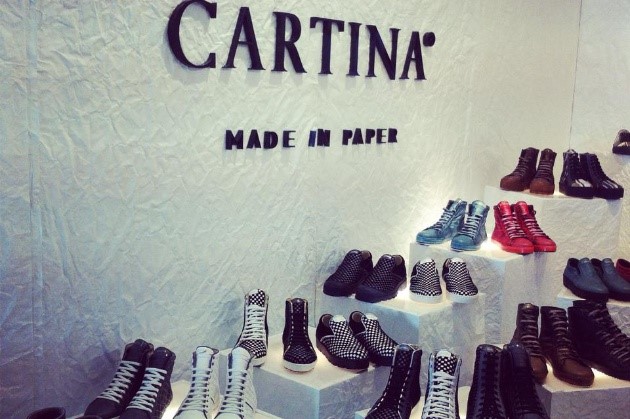
L’arte ecosostenibile trova però una sua espressione anche in arti meno convenzionali, per esempio nel teatro (per esempio, nella stagione 2011-2012, Il Teatro dell’Opera di Milano ha proposto un maggior impegno nella scelta dei fornitori e dei materiali, l’utilizzo di luci a risparmio energetico, pannelli solari, fibre ecologiche e per le tournee gli attori hanno soggiornato in hotel della catena Ecoworld Hotel) e nella moda (come possiamo vedere nel caso di Cartina, start-up nata in provincia di Lucca nel 2014, che ha brevettato un nuovo sistema di produzione che permette di dar vita a calzature per mezzo del riciclo di carta).


Uno spazio in questa carrellata delle forme d’arte ecosostenibili va dedicato alla street art. I nuovi “street artist” che si stanno facendo largo nel mondo dell’arte negli ultimi anni hanno messo da parte le vernici industriali per scegliere materiali sostenibili come muschio, fango, acqua e colori naturali. Gli ecograffiti sono legali e rispettano l’ambiente, permettendo a chi li crea di proporre una cultura alternativa, ambientalista, che denuncia i danni dello smog e invita i passanti ad abbracciare stili di vita più ecologici. Fra gli artisti di questo tipo si citano l’illustratrice inglese Anna Garforth, che si ispira alla capacità del verde di sopravvivere nel contesto urbano, portando nelle città graffiti di muschio, e l’attivista americano Jesse Gaves, che combina terra e acqua (i due elementi fondamentali per la vita sul pianeta) in un’ecovernice che veicola messaggi provocatori ai passanti (per esempio, incita a combattere gli OGM o la pena di morte). Questi ecograffiti, proprio perché lanciati negli spazi pubblici, sono alla portata di tutti e innescano riflessioni profonde nei passanti.

giovedì 26 maggio 2016

Scritto da Roberto Cippone


Tra il Settecento e l’Ottocento, la Rivoluzione industriale ha introdotto un modello produttivo all’insegna del “prendere, fare e smaltire” noto con il nome di “economia lineare”. Quest’ultimo, nonostante sia stato in grado per lunghi anni di rispondere ad esigenze e bisogni di consumo di massa e trasporto globale, ha attirato l’attenzione di numerosi critici e studiosi data la sua sempre più chiara concatenazione con tematiche quali l’urbanizzazione e l’utilizzo di combustibili fossili.

Il rapido esaurimento del capitale naturale esistente, soprattutto quello di facile reperibilità, rappresenta una triste realtà ed è per questo che, al centro delle politiche ambientali a livello europeo, si è cominciato a parlare di “ economia circolare ”: un’economia pensata per potersi rigenerare da sola, per poter massimizzare lo sfruttamento di ciò di cui già disponiamo e in grado di rendere il rifiuto di qualcuno la risorsa di qualcun altro.

La limitatezza delle nostre risorse suggeriscono che non sarà sempre possibile mantenere un’elevata qualità della vita senza cambiare il nostro modus operandi: riutilizzare i prodotti di scarto a favore della sostenibilità del sistema genererebbe, infatti, per il Vecchio Continente un risparmio di 1.800 miliardi di euro l’anno entro il 2030 che, tradotto in termini percentuali, porterebbe alla crescita del Pil fino a 7 punti percentuali e del reddito delle famiglie europee dell’11%.

Queste prospettive di crescita così promettenti non devono trarre in inganno perché sorgono dalle inefficienze attuali, ancora radicate ad un modello basato su 4 fasi: estrazione, produzione, consumo e smaltimento. Un modello così lontano dalle crescenti esigenze di cittadini e ambiente che, nel solo 2012, ha provocato l’utilizzo, per ciascun singolo abitante, di ben 16 tonnellate di materiali, di cui solo il 40% riciclato. Tralasciando inquinamento acustico e atmosferico poiché difficilmente quantificabili, per rendersi conto dell’attualità del problema basterebbe considerare che un’auto in Europa resta parcheggiata quasi il 92% del tempo e che, pro capite e annualmente, vengono sprecati 173 kg di cibo.

La risposta al problema è sempre la stessa: la rivoluzione digitale e tecnologica. Infatti, dopo aver radicalmente trasformato il nostro modo di comunicare, di ricevere e trasmettere informazioni, potrebbero esserne influenzati anche la mobilità, l’alimentazione e l’edilizia. Il “car sharing”, i veicoli elettrici e a guida autonoma, la tecnologia applicata e plasmata sui processi industriali sono solo alcune delle soluzioni che stanno prendendo piede negli ultimi anni, impattando positivamente sulla competitività delle aziende, sulla riduzione delle emissioni e dei consumi e sulla crescita dei posti di lavoro.

L’altra faccia della medaglia è altresì rappresentata dal bisogno di investire in ricerca e sviluppo, dalla spesa pubblica per la creazione di infrastrutture digitali e dai vari processi di incentivazione alle aziende che vogliono intraprendere questo percorso. L’insieme dei limiti è, dunque, riassumibile in una semplice e concisa espressione: i costi di transazione. In Germania, gli incentivi economici in tal direzione, dal 2000 al 2013, hanno avuto una portata di ben 123 miliardi; parallelamente il Governo britannico ha stimato una spesa di 14 miliardi di euro per l’introduzione di un sistema efficiente di riciclo e riutilizzo delle risorse.

Per il momento si può parlare solo di stime e di progetti, ma nel medio e lungo periodo i termini “green economy”, “economia circolare” e “sviluppo sostenibile” ricorreranno così spesso da portare alla traduzione tanto desiderata dell’utopia in solida e quotidiana realtà.

venerdì 20 maggio 2016

Written by Gabriele Tringali


President Francois Hollande announced that France will be the first country to issue green bonds and will implement a base price per ton of coal for electricity generation. France will be the pioneer in the development of the “green bond” market and this is a subject very close to Hollande which, during the Environmental Conference, explained that France will ask the main investment banks, to launch green bonds dedicated to environmental projects.

The challenge for the success of COP 21 is to give a “fair price” for carbon which looks more like a “minimum price” to coal in the field of electricity production that will give more visibility to investors. The French Government will propose how to structure the issue of green bonds before the end of the year. In Hollande’s view an European carbon market reform is heavily needed as the overall functioning of this market is threatened by the current low price per ton which is not sustainable in the medium term.

During the Environmental Conference Hollande also announced changes to the nuclear energy area: EDF will propose after 2018 the closure of some nuclear power plants combined with the development of others within the framework of what can be defined as a new phase for France’s energy policy. These proposals will take place after the opinion of the nuclear safety of France, expected by the end of 2018.

This will make green bonds even more competitive from a financial standpoint:  an asset class which is likely to turn from a niche product, to a fast growth product, since the traditional bond market is showing signs of saturation and low yield.

And, after COP 21, Apple announced a 1.5 billion issue to finance renewal energy projects: is this a sign that green bonds will actually be a thing in the near future?

martedì 17 maggio 2016

Written by Roberta Fasanelli


Despite being a highly industrialized country, the presence of agricultural land use is a common feature on the urban landscape of cities across Japan.
Almost one-third of all agricultural output in the country is, in fact, generated by urban agriculture; likewise, urban farmers account for 25% of farming households in Japan.
Japanese urban agriculture has the unique characteristic that it happens in (and around) huge, industrialized cities.
The MAFF identifies the following points of strength of urban agriculture:
1. Source of fresh and safe products, including organic and low-chemical crops.  These can be locally produced and consumed based on relationships of trust between farmers and city dwellers.
2. Opportunity for urban residents’ engagement in agricultural activities, both directly and through exchange between producers and consumers.
3. Open space for disaster management, including fire spread prevention, evacuation space for earthquakes, really frequent in Japan.
4. Resource for recreation and well-being, including green space for personal leisure and spiritual comfort.
5. Education and awareness-raising for improving urban residents’ understanding of agriculture and food issues.
6. Contribution to sustainability and well-being in cities, by increasing the area of permeable surface for storm water management and reducing the heat-island effect and potentially energy needs by cooling the air.
7. Biodiversity and ecosystem services by providing habitats and managing species
8. Reduction of food miles, the distance that food must be transported, and even provide bio-energy resources.

Furthermore, according to 2010 data from the Ministry of Agriculture, Forestry and Fisheries (MAFF), urban fields are the most productive kind of agriculture in terms of economic value of production per area (3% more productive than the national average).
And so, in terms of revenue per farmer, urban agriculture is two times more profitable than inter-mountainous agriculture and around 10% more so than agriculture in rural plain areas.
Even in Tokyo, one of the largest and most congested cities in the world, among the intricate networks of railways, roads, buildings and power wires, local agriculture produces enough vegetables to potentially feed almost 700,000 city dwellers.
Yet, despite all its actual and potential benefits, agriculture in Japanese cities is under threat. In just the past decade, agricultural land use has diminished by over 40% because of urbanization-related impacts (even though the population of the country has remained stable) and the number of people practicing agriculture in urban areas also has decreased dramatically.
In Tokyo, for instance, the number of families involved in agricultural activities has decreased by more than 60% since 1975 (in 41 years).

The External Threats of the Urban Rice Agriculture
The main reasons for decreasing percentage of people involved in agricultural activities and for the reduction of land dedicated to rice cultivation derive from the national demographic conditions.
We can remember these:
1. Regulation of the system.  In Japan, urban agriculture falls under the MAFF, which is in charge of policies concerning agriculture, and the Ministry of Land, Infrastructure, Transportation and Tourism (MLITT), which deals with urban planning.  Since the two ministries use different zoning classification systems to distinguish between areas in which urbanization is a priority and areas in which farming is, there are conflicting definitions of what in fact constitutes urban agriculture.
2. Aging of farmers.  The average age of most people practicing agriculture in Japanese cities is rapidly rising. Consequently, great uncertainty exists about the production methods employed, about kind of land used in agricultural fields and their extent.
3. Tax barriers. Maintaining productive farmland in the urban areas of Japan poses an economic burden for landowners, who face significantly high taxes.  High urban real estate prices and tough compliance requirements of some tax exemption programs drive farmers away from production or into transforming land for development.
4. Commercialization. Bringing consumption of local, eco-friendly products from its current niche market into a mainstream one remains a challenge.
5. Productivity shift. Proximity to densely inhabited areas makes urban farmers especially prone to reducing chemical use.
The External Opportunities in the Market
Despite the hurdles, opportunities do exist for strengthening the roles of Japanese urban agriculture for sustainability and local well-being, including governance, economic, environmental and social aspects.
• New conceptual approaches Recently, the idea of cities managing their local ecosystems for agricultural production has been gaining momentum.   By designing compact cities with surrounding areas that can be used for agriculture, the need for industrialized production, extensive packaging and lengthy distribution can be significantly reduced.   Especially relevant for Japan are the concepts of satoyama (and satoumi), which refer to “dynamic mosaics of managed socio-ecological systems that produce a bundle of ecosystem services for human well-being”.
• Increased interest of urban residents in agriculture In recent years, interest in agriculture has grown significantly among Japanese urban dwellers; according to a recent study by MAFF, over 85% of Tokyo residents would like their city to have farmland in order to secure access to fresh foods and green space.  The systems “Taiken Nouen”, by which people participate in different activities with actual farmers, and “Shimin Nouen”, or allotment gardens, are the two most popular systems of citizens’ involvement in urban agriculture in Japan.
• Green economy: urban agriculture for sustainable consumption–production networks  In an urbanizing world, cities are fundamental for achieving a green economy, a concept now at the forefront of the international sustainable development agenda.  Because of its proximity to consumers, urban agriculture can more easily target urban demand, as opposed to rural production which is more exposed to the influences of agricultural commodities’ markets.
• Innovative finance mechanisms: payment for urban ecosystem services and biodiversity  Economic compensation for the provisioning of environmental goods and services not captured by the market is an innovative mechanism for enabling a green economy.  Such payment schemes are created in order to strengthen the roles of urban farming as provider of local biodiversity and ecosystem services, incentivizing a shift towards clean, biodiversity-friendly production practices.
• Urban regeneration and political momentum for urban agriculture  Many Japanese cities, rapidly developed in the post-war period under weak zoning mechanisms, present a scattered mosaic of green patches among buildings and concrete infrastructure.  Cities across the country are developing urban regeneration policies aimed at restoring the urban landscape for improved local environment and well-being.  Within this context, urban agriculture provides a much needed source of greenery, especially in highly industrialized, urbanized areas of big cities and city centres.
• Green innovation  In a technology-savvy country like Japan, urban agriculture offers a fertile ground for green innovation.  From rooftop gardens for urban residents to engage in agriculture, to green curtains using edible species for insulation of public buildings, to computer-based indoor plant growing, new forms of urban farming are emerging.
Let’s take an overview on 10 great ides from Tokyo concerning green innovation.


Ten (GREAT) innovative projects of Urban Agriculture in Tokyo
A city known for Edo culture and cherry blossoms, Tokyo has long integrated natural beauty within a sprawling metropolis.
Now the world’s biggest city supports more than 13.2 million people and imports 80% of its food, making the need for innovative and productive use of urban spaces more pressing than ever.
Here’s how Tokyo’s most notable urban agriculture projects are combining Japanese cultural tradition, innovative technologies, and architectural design to create Edokko urban foodscapes.
1. Agrimedia Corporation The Agrimedia Corporation operates 20 plot-share farms in Tokyo, Kanagawa, Saitama, and Chiba, connecting beginning farmers with elderly former farmers who were forced to abandon their land. Groups of farmers share plots of 10 square meters for a US$75 rental fee, and receive resources such as seeds, tools, inputs, and technical advice.
2. City Farm Odaiba Atop a roof on the man-made island of Odaiba in Tokyo Bay, City Farm grows melons, tomatoes, soybeans, and rice using traditional semi-aquatic conditions. Community members can participate in threshing events, cooking projects, and sake making courses.
3. Ginza Honeybee Project Hoping to raise awareness about honeybees and educate community members about sustainable lifestyles, Takayasu Kazuo and Tanaka Atsuo founded a rooftop bee yard in the Ginza district of Chūō, Tokyo in March of 2006. Ginza’s beekeepers are able to harvest about 300 kilograms of honey per year; the bee farm is home to more than 150,000 bees, which may even protect endangered bird populations from crow attacks.
4. Ginza Rice Farm and Omotesando Rooftop Farm Situated on an empty lot in the Ginza shopping district, Ginza Rice Farm is run by Iimura Kazuki, supporting ducklings, bamboo cultivation, and other vegetable plants. Inspired by the success of Ginza Rice Farm, which has held a farmers’ market, noodle rolling events on bamboo poles, and a community rice harvest. Kazuki later founded Omotesando Rooftop Farm, renting empty plots to interested community members.
5. NTT East Group Green Potato Project Telecommunications corporation NTT launched this project as part of a larger green roof, choosing to grow sweet potatoes using aerohydroponics. Sweet potatoes have wide leaves, which can provide a cooling effect through higher transpiration rates, combating the urban heat island effect in Tokyo.
6. Pasona O2 The Pasona O2 interior urban farm is the most famous of Tokyo’s urban agriculture projects, incorporating climate control, sodium vapor lamps, and remote technology to maximize yields of more than 100 types of produce, all grown indoors.  Created by Kono Designs in 2010, the project is especially notable for its use of underground spaces, the role of office staff in caring for the plants, and the visual aesthetic created by the vertical crops growing on the exterior of the nine-story building.
7. Roppongi Noeuen Described as a country oasis in the middle of the city, this urban farm and restaurant features Japanese specialty crops, such as negi leeks and mustard greens, growing in large glass cubes, created by a partnership with ON design. The menu features the plants grown on-site, and offers both American and Japanese cuisines.
8. Soradofarm New farms on rooftops of train stations feature small rental plots of local veggies, professional support staff, and zen-inspired design.  The farms were created through collaboration between the East Japan Railway Company and entertainment company Ekipara, and currently occupy five locations.
9. Tamachi Building Co. Rooftop Garden Since May 2009, Tamachi Building Co., a subsidiary of Mitsubishi Heavy Industries, has provided produce from its rooftop garden to New Tokyo restaurants.  The company has invited schoolchildren to strawberry picking events and potato digs, and has incorporated solar power for energy efficiency.
10. Tokyo Local Fruit Between Tokyo’s obsession with luxury fruit and its renewed love of DIY gardening lies an interesting phenomenon of noncommercial fruit production in urban spaces.  A research collaboration seeks to understand how fruit in Tokyo is grown and harvested on the community level through storytelling; many of the collected stories and fruits are unique to Japan, or even to Tokyo

In Japan, urban farming is both a significant component of the national agricultural sector and an essential ingredient of city space.
By creating an integrative policy environment that enables cities to maximize multiple ecological and socio-economic benefits, urban agriculture will make a significant contribution to sustainability and to the well-being of city dwellers from enhancing local ecosystem services and biodiversity, to reducing urban footprints.

venerdì 6 maggio 2016

Scritto da Valentina Tringali

Al giorno d’oggi siamo così abituati all’idea che raggiungere qualsiasi luogo richieda dei mezzi di superficie e non, che abbiamo dimenticato qual era l’originale mezzo di trasporto: i nostri piedi.

Un sondaggio svolto questa settimana dalla Living Streets ha rivelato che quasi la metà dei cittadini britannici non sono disposti a camminare per più di 20 minuti. Ciò è in accordo con i risultati del National Travel Survey del 2014, i quali mostravano che il numero degli abitanti che si spostava a piedi era sceso di quasi un terzo a partire dal 1950.

In un momento di crescente obesità e di inquinamento atmosferico, si preferisce il consumo di carburante e la conservazione delle proprie riserve di grasso. A suscitare maggior stupore è il fatto che sia da tempo stato dimostrato quanto camminare a piedi riduca il rischio di malattie cardiache, diabete, asma, ictus e alcune tipologie di tumore. Nonostante tali dati, troppe volte capita di salire su un autobus o un tram e vedere persone in buono stato di salute viaggiare solo per una o due fermate.

Come molte città, Londra è uno degli esempi più pregnanti di come non vengano aiutati coloro che hanno ancora la volontà di rompere tali barriere e fare la differenza: pochissimi sono gli attraversamenti pedonali, i ponti e la segnaletica adeguata allo spostamento a piedi. In più, la mappa di linee della metropolitana e dei servizi ferroviari suburbani è sempre più visibile e disponibile agli occhi degli abitanti e dei turisti, dando un’impressione fuorviante (e svantaggiosa) all’idea di spostarsi camminando.

Il risultato è che molti degli abitanti (e anche di noi) vivono le città come arcipelaghi di isole remote, ciascuna incentrata su una stazione metro. Oltre alla propria salute, enorme è il danno causato all’ambiente: un rapporto pubblicato a febbraio dal Royal College ha concluso che 40.000 persone muoiono ogni anno a causa dell’esposizione all’inquinamento atmosferico. Perché allora non ridurlo e migliorare contemporaneamente il proprio stato fisico?

Un’ulteriore prova a favore è il fatto che, nonostante esistano città con elevati livelli di inquinamento, che potrebbero far pensare di ridurre il tempo trascorso all’aria aperta, nel 99% delle città i benefici del camminare o dell’andare in bici superano nettamente i rischi dell’inquinamento.

Anche a Delhi, una delle città più inquinate del mondo - con livelli di inquinamento dieci volte superiori a quelli di Londra - le persone avrebbero bisogno di camminare più di cinque ore alla settimana prima che i rischi legati all’inquinamento riescano a superare i benefici per la salute.

Ci si chiede allora cosa ci impedisca di evitare mezzi superflui, ridurre il tasso sempre più elevato di inquinamento e salvaguardare il nostro stato di salute. La stessa fondazione Sustrans, promotrice del trasporto sostenibile, ha allora proposto una scommessa: “Se decidessimo tutti di scambiare per una sola settimana la guida dei mezzi con il camminare, il traffico si ridurrebbe di almeno il 10%. Provate a immaginarlo.”

Forse sarebbe il caso di alzarsi e testarlo.

lunedì 2 maggio 2016

Written by Riccardo Bellini

During my exchange experience in Santa Barbara, unfortunately back in 2013, I was continuously impressed by the green culture that flowed in almost any student of the University. Thinking about it, if you consider that the campus is sited between the shore and ocean on one side, and hills on the other side, resulting in an astonishing landscape wherever you turn your eyes, you must be mad not to take care of this piece of heaven.

However, green culture and awareness of the risks your land is always facing are just fancy talking if real policies are not implemented to enforce the vision of a sustainable future. Therefore, in 2012 the zero waste committee was formed to achieve the ambitious goal of a zero waste campus by 2020.
Before analyzing the interesting steps forward that were taken these years, I must premise one thing. UCSB was the perfect place where to try this, not just because of the abovementioned culture (for instance, any kind of fuel-based vehicle is forbidden, everyone just moves through the campus by bike, rollerblades or skateboard), but also thanks to the UCSB environmental studies and engineering departments that are among the best in the country.

The key elemen ts of the program are set around three pillars: food, books, residual.

FOOD :

• All pre and post-consumer food waste in all campus dining commons are composted.
• Compostable plates, cups, and cutlery are used as the standard for all catering events and housing and residential Services.
• Post consumption composting bins are available to the public in six locations on campus, near major food service locations.

BOOKS :

• The bags given out at the UCSB Bookstore are made of compostable materials.
• Advanced platform and tools to exchange used books (made easier by the high costs of new books).

RESIDUAL:

• Centralized indoor co-mingled recycling bins have been located in 111 spots on campus (21.000 students, so 1 bin per 190 students).
• Plastic bags are not given out at stores on campus unless a bag is specifically requested by the customer.

These are just the main parts, in terms of materiality, of the program, but there are many more projects ongoing that haven’t been mentioned (by now, the waste diversion rate is over 75%). Another interesting fact is that the campus has been able not just to prevent waste production and to divert waste production from landfills, but also to create real industrial alike (obviously on a minor scale) facilities on campus to compost and recycle. This was clearly feasible thanks to the engineering department and the funds assigned to it.

But still, in the very end, the main theme here is that the mindset, as always, has driven the change.